
mJob

Built to Last: The Top 5 Reasons for Construction Jobsite Success

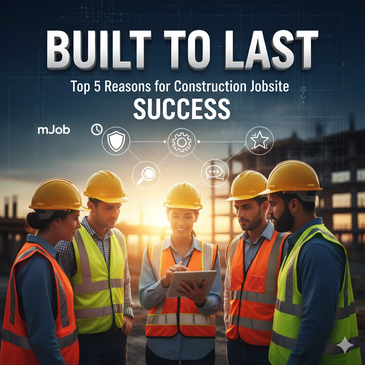
There’s nothing quite like the feeling of watching a new building rise from the ground. But behind every successful project—one that finishes on time, within budget, and to a high standard—is a construction site running like a well-oiled machine. 

At mJob, we know that success isn’t luck; it’s a blueprint built on key operational and cultural elements. Whether you’re a seasoned project manager or an apprentice looking to climb the ladder, understanding what drives success is essential. 

Here are the top five reasons why some construction jobsites consistently outperform the rest: 

1. Unwavering Commitment to Safety and Quality

On a top-tier jobsite, safety isn’t a rule—it’s a core value. A successful site prioritizes the well-being of its workers above all else, which, in turn, boosts morale and efficiency. When workers feel safe, they are more focused and productive. 

  • Proactive Safety Culture: Regular safety briefings, clear safety protocols, and a commitment from leadership to enforce them. 
  • Integrated Quality Control: Success means delivering a high-quality final product. This requires continuous inspection, adherence to specifications, and rigorous quality checks throughout every phase of the project, not just at the end. 

The take-away: Safety and quality are two sides of the same coin. They reduce costly rework, prevent delays from accidents, and build a strong reputation. 

2. Detailed and Adaptive Planning

The planning phase is the bedrock of any successful construction project. The best jobsites leave nothing to chance. They operate with a clear, well-thought-out plan that addresses the Scope, Time, and Cost from day one. 

  • Clear Scope Definition: Everyone, from the laborers to the project manager, knows exactly what needs to be built and what the ultimate goals are. 
  • Realistic Scheduling and Budgeting: Detailed schedules with milestones help track progress, and accurate budgeting prevents crippling cost overruns. 
  • Risk Management: Successful teams anticipate potential problems (weather delays, material shortages, unforeseen site conditions) and have clear contingency plans in place to address them quickly, demonstrating an essential ability to adapt when the unexpected happens. 

3. Masterful Communication and Collaboration

Construction is a team sport. With multiple trades, subcontractors, suppliers, and stakeholders, a breakdown in communication can be catastrophic. The most successful jobsites have established clear, transparent, and consistent communication channels. 

  • Open Channels: Daily huddles, regular project meetings, and the use of modern technology (like mJob!) to ensure real-time information flow. 
  • Trust and Respect: Effective communication fosters a culture of mutual respect and trust among all parties. When team members trust each other, they collaborate more effectively, share feedback openly, and resolve conflicts quickly without letting issues spiral into delays. 
  • Stakeholder Alignment: Keeping clients and external parties informed with transparent updates manages expectations and builds long-term relationships. 

4. Efficient Resource Allocation and Material Management

Time spent waiting for materials, equipment, or the right personnel is money wasted. Successful jobsites master the logistical challenge of getting the right resources to the right place at the right time. 

  • Just-in-Time Delivery: Coordinating material delivery precisely when it is needed reduces clutter, minimizes material loss, and frees up space on a crowded site. 
  • Optimizing Workforce: Having the right number of skilled workers for each task maximizes productivity. This includes effective scheduling and avoiding over- or under-staffing a specific trade. 
  • Embracing Technology: Utilizing project management software, like mJob, helps track material inventory, manage equipment usage, and monitor labor hours, leading to greater overall efficiency and reduced costs. 
  1. Strong, Empowering Leadership

A great construction site needs more than just a manager—it needs a leader. The top jobsites are run by leaders who set a positive jobsite culture and empower their teams. 

  • Lead by Example: Project leadership must demonstrate the same commitment to safety, quality, and accountability they expect from the crew. 
  • Team Empowerment: Successful leaders delegate tasks and show confidence in their team’s abilities. This fosters ownership, encourages problem-solving at all levels, and builds a sense of pride in the work. 
  • Continuous Improvement: The best leaders encourage training and mentorship, viewing every project as an opportunity for the team to learn new skills and find more efficient ways to work. 

5. Strong, Empowering Leadership

A great construction site needs more than just a manager—it needs a leader. The top jobsites are run by leaders who set a positive jobsite culture and empower their teams. 

  • Lead by Example: Project leadership must demonstrate the same commitment to safety, quality, and accountability they expect from the crew. 
  • Team Empowerment: Successful leaders delegate tasks and show confidence in their team’s abilities. This fosters ownership, encourages problem-solving at all levels, and builds a sense of pride in the work. 
  • Continuous Improvement: The best leaders encourage training and mentorship, viewing every project as an opportunity for the team to learn new skills and find more efficient ways to work. 

Build Your Success Story

The path to a successful construction jobsite is paved with planning, communication, and a strong culture. By focusing on these five key areas, your next project can move from blueprints to reality on schedule and within budget. 

Ready to find the next job that will help you build success?

mJob connects skilled workers with the best companies committed to safety, quality, and strong project execution. Download the mJob app today and find your next opportunity!