
The Bulldozer Breakdown: A Costly Lesson in Maintenance Records

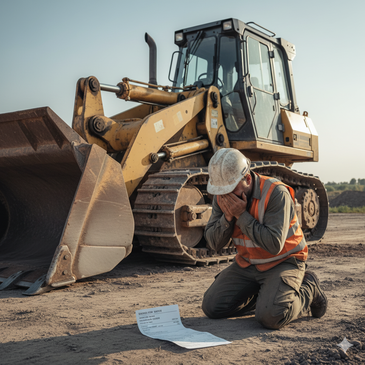
The roar of a bulldozer is the sound of progress on a construction site. It represents the brute force behind every grading operation, foundation pour, and earthmoving milestone. But in our industry, we often forget that this roar is sustained by something much quieter: a meticulous paper trail of service logs and inspections.
Heavy machinery is the lifeblood of your fleet, yet it is also one of the most volatile expenses on your balance sheet. When that roar turns into an expensive silence, the difference between a minor service delay and a catastrophic project shutdown often comes down to the quality of your record-keeping. For one construction company, a critical equipment failure became a harsh reminder that the most expensive machine is the one you can't prove you maintained.
The Empty File Cabinet
It was a busy Tuesday when the main workhorse on a massive earthmoving project suddenly sputtered and died. Work ground to an immediate halt. Initial checks by the site foreman revealed a major engine failure—the kind of repair that requires specialized parts, off-site mechanics, and weeks of downtime.
When the project manager went looking for maintenance records to file a warranty claim or expedite diagnostics, the results were alarming: a sparse collection of outdated paper invoices, grease-stained handwritten notes, and empty folders. This total lack of verifiable data resulted in immediate financial hemorrhaging:
Delayed Diagnostics
Without a service history, mechanics had to start from scratch, adding hours of expensive billable labor to the discovery process.
Warranty Rejections
Failing to produce proof of regular maintenance meant the company had to eat the cost of parts that should have been covered.
Prolonged Downtime
Every extra day idle cost the project thousands in lost productivity, delay penalties, and rental fees for temporary equipment.
The final bill for repairs and lost time ran into tens of thousands of dollars—all largely preventable with digital tracking.
mJob: Your Digital Maintenance Log
This company learned the hard way that a breakdown isn’t just a mechanical failure; it’s an information failure. mJob changes the narrative by moving your fleet management into a centralized, airtight system that lives in the field where your equipment does.
Don’t Let Machinery Become a Money Pit
The "Empty File Cabinet" is a magnet for project delays and profit loss. With mJob, you can keep comprehensive digital records of all your equipment maintenance, ensuring your assets stay operational and your projects stay on track.
Protect your fleet and your bottom line. Explore our Equipment Maintenance Software today.
Request Your mJob Demo
Fill out the form below to see how we help you eliminate the guesswork and keep your equipment moving.